

Posted At: Sep 08, 2026 - 48 Views
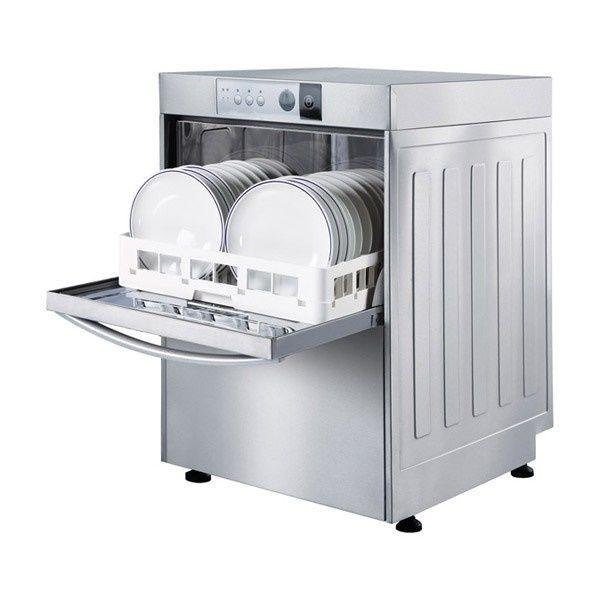
Commercial Dishwasher & Warewashing Technical Selection
Commercial dishwashers and warewashing systems are vital sanitation assets engineered for high-volume restaurants, hotels, and catering facilities. Capable of executing complete wash and rinse cycles within 60 to 180 seconds, these machines ensure a continuous turnover of sanitized dinnerware while meeting stringent public health code compliance.
Technical Features of Commercial Warewashers
Thermal sanitization efficiency and chemical dispensing mechanics govern wash quality and drying speeds.
High-Temp vs Low-Temp Sanitizing Systems
High-temperature dishwashers utilize integrated booster heaters to raise final rinse water to 82°C (180°F), sanitizing wares thermally while promoting rapid flash-drying without water spots. Low-temperature units rely on chemical sanitizing agents at lower water temperatures to reduce energy consumption.
Automatic Peristaltic Dosing Pumps
Modern units feature built-in peristaltic pumps that automatically meter liquid detergent and rinse aid during each wash phase. Precise chemical dosing prevents residue buildup and lowers chemical expenditure.
Comparison: Undercounter vs Door-Type Hood Dishwashers
| Feature / Criteria | Undercounter Dishwashers | Door-Type Hood Dishwashers |
|---|---|---|
| Rack Hourly Yield | 20 to 35 racks per hour | 50 to 80 racks per hour |
| Footprint Requirements | Compact; fits beneath standard bar counters | Requires dedicated dish pit space and landing tables |
| Ware Versatility | Glassware, flatware, and small plates | Large dinner plates, mixing bowls, and sheet pans |
| Best Application | Coffee shops, bars, delis, and small bistros | High-volume diners, banquet halls, and hospitals |
Selection Criteria and Dishwasher Maintenance
Water softening and end-of-shift filter cleaning extend internal pump lifespan.
Mandatory Inline Water Treatment
Installing dedicated water softeners upstream is mandatory to mitigate hard water scale accumulation. Scale removal protects booster heater elements and prevents spray nozzle blockages.
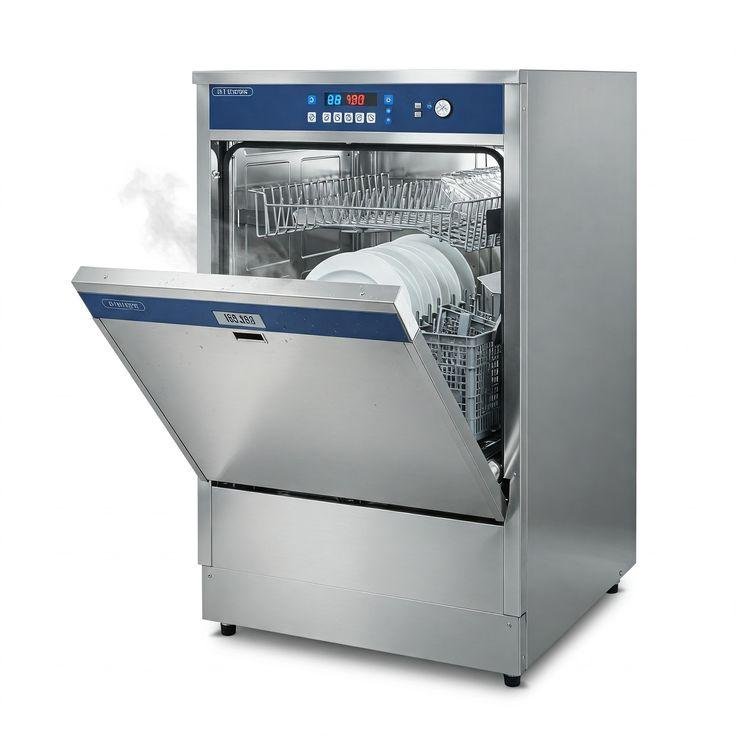
Daily Filter Strainer & Spray Arm Sanitation
Remove and flush internal stainless steel scrap strainers at the end of every shift. Inspect upper and lower wash arms weekly, clearing food debris from rotating nozzles to maintain water pressure.