

Posted At: Aug 09, 2026 - 91 Views
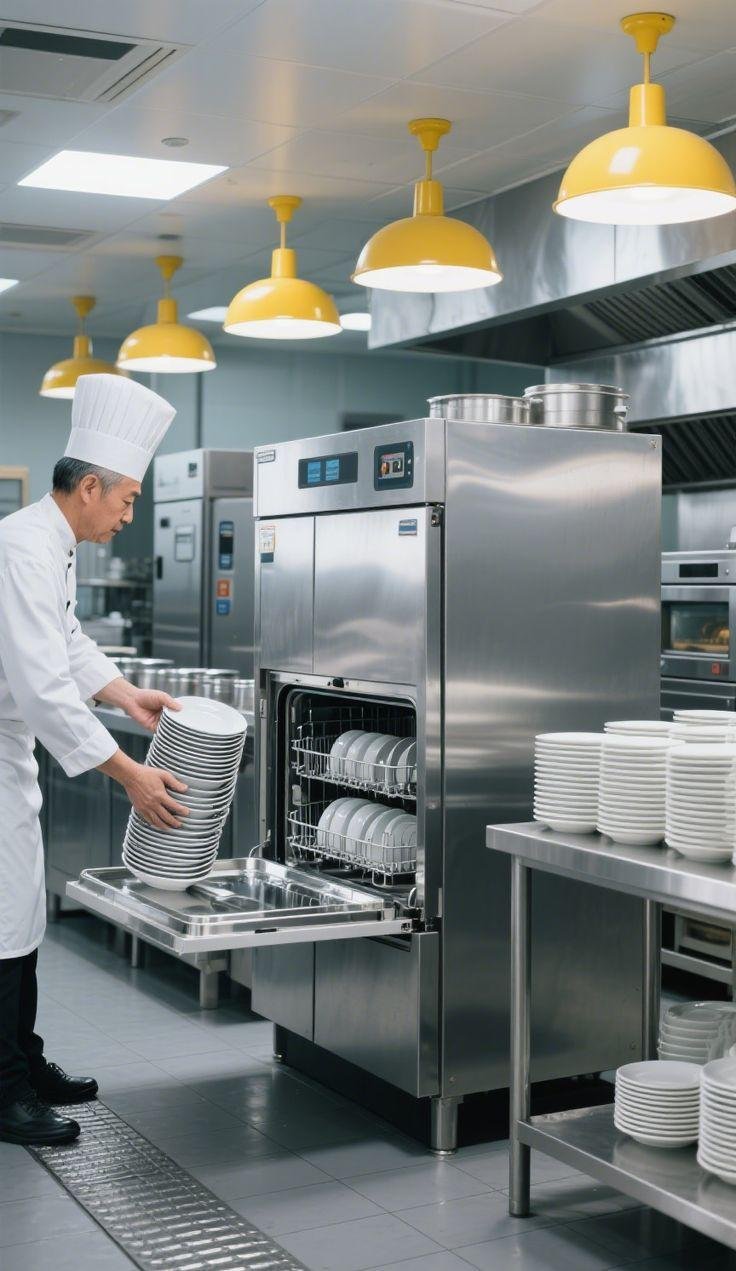
Commercial Dishwashers Buying Guide
A commercial dishwasher is a fundamental investment for food safety, hygiene, and operational flow within any restaurant, hotel, or central kitchen. Far beyond basic dish cleaning, these high-temperature machines play a vital role in thermal sanitization, eliminating bacteria in accordance with public health standards. Investing in commercial warewashing equipment drastically reduces water and detergent consumption, minimizes glass breakage, and reduces labor dependencies in dishwashing zones.
Types of Commercial Dishwashers and Applications
Warewashing models vary significantly to match available dish-pit space and hourly rack capacities.
Undercounter Commercial Dishwashers
Featuring a compact footprint that fits neatly beneath bar counters, these units serve as the ideal choice for cafes and small bistros needing rapid 2-minute glass and plate cycles.
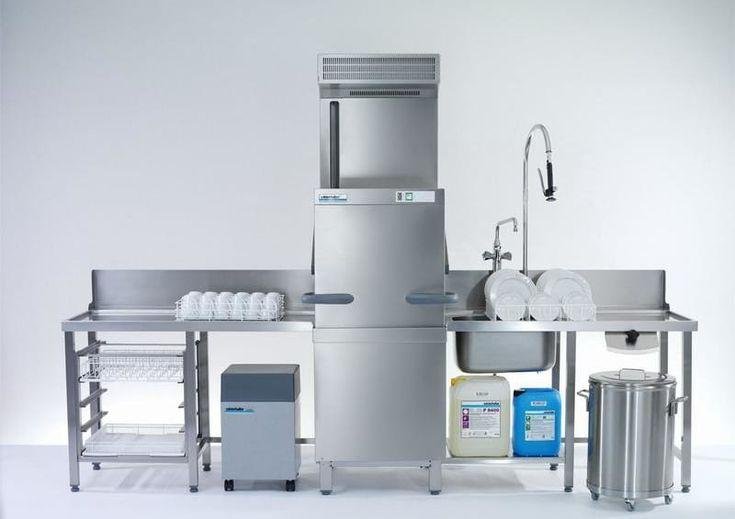
Pass-Through / Hood-Type Dishwashers
The standard choice for medium-to-large restaurants, allowing staff to slide dish racks seamlessly along stainless steel sorting tables directly into the wash chamber for rapid batch processing.
Comparison: Commercial Warewashing vs Manual Hand Washing
| Criteria / Feature | Commercial Dishwasher System | Manual Hand Washing Sink |
|---|---|---|
| Cycle Speed & Throughput | Ultra-fast cycles taking between 60 to 180 seconds | Slow, labor-intensive manual processing |
| Sanitization Standards | Superior thermal sanitization at 85°C rinse temperatures | Limited sanitization (hands cannot tolerate high heat) |
| Water & Chemical Efficiency | Highly efficient water recirculation technology | High, continuous tap water and chemical waste |
| Glassware Breakage Rate | Extremely low due to secure rack placement | High breakage rate caused by manual handling slippage |
Selection Criteria and Warewashing Maintenance
Ensuring long-term dishwasher performance requires monitoring water pressure, booster heaters, and chemical dosing systems.
Integrated Rinse Booster Heaters
Ensure the unit features an internal booster heater capable of raising final rinse water to a certified 85°C, achieving instant flash-drying and sanitization without manual towel drying.
Automatic Chemical Dosing and Descaling
Routinely calibrate automated detergent and rinse-aid pumps, and run monthly descaling programs to prevent mineral scale from clogging internal spray nozzles and heating elements.