

Posted At: Sep 02, 2026 - 60 Views
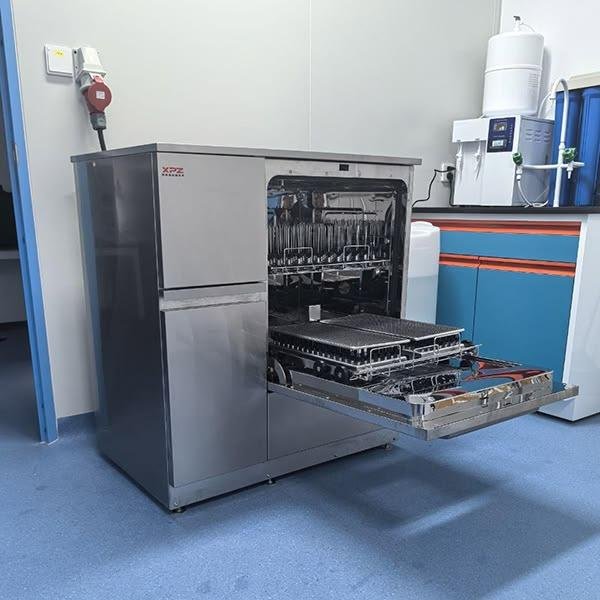
Commercial Dishwashers & Glasswashers Selection Breakdown
Commercial dishwashers and glasswashers are vital warewashing assets that maintain strict health code hygiene and continuous table turnover in foodservice establishments. Engineered to execute ultra-fast cleaning cycles (often 60 to 180 seconds), these systems utilize high-temperature final rinses to sanitize tableware efficiently.
Technical Features of Commercial Warewashing Systems
Thermal sanitization efficiency and wash arm architecture dictate sanitation performance.
Integrated Rinse Booster Heaters
Commercial units incorporate internal booster heaters that elevate final rinse water temperatures up to 82°C (180°F). This high-heat application sanitizes plates and glassware instantly without leaving chemical residue.
Anti-Clogging Rotating Wash Arms
Upper and lower stainless steel wash arms feature stamped non-clogging nozzles. Engineered spray angles guarantee complete coverage across all rack sections while internal scrap filters catch debris.
Comparison: Commercial Dishwasher Types
| Feature / Criteria | Undercounter Dishwashers | Hood-Type (Pass-Through) | Conveyor Tunnel Systems |
|---|---|---|---|
| Capacity (Racks/Hour) | 20 - 35 racks | 50 - 120 racks | 150 - 300+ racks |
| Loading Mechanism | Front-loading pull-down door | Hood lift with side dirty/clean tables | Continuous motor-driven conveyor |
| Footprint Required | Compact; fits under prep counters | Medium; requires straight-line space | Large; dedicated dishroom required |
| Best Application | Coffee shops, bars, small bistros | High-volume restaurants, casual dining | Hotels, banquet halls, medical centers |
Selection Criteria and Warewasher Maintenance
Descaling routines and daily filter maintenance prevent internal heating element burnout.
Mandatory Water Softener Systems
Installing inline water softening filtration prevents scale buildup on heating elements and solenoid valves, ensuring spot-free glassware drying.
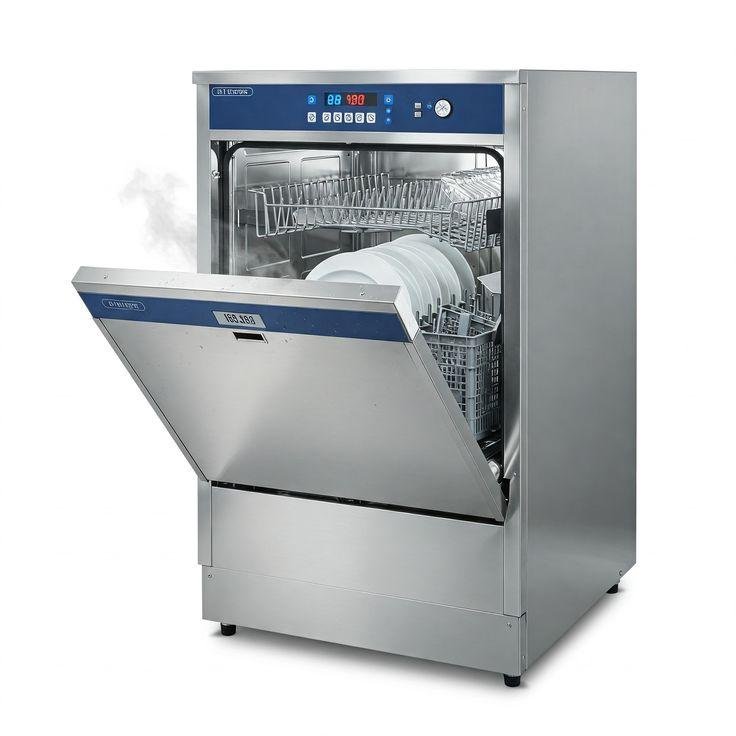
Daily Scrap Filter Maintenance
Remove and flush internal stainless steel scrap trays at the end of each shift. Clearing food soils prevents drain pump blockages and protects wash water quality.