

Posted At: Jul 28, 2026 - 99 Views
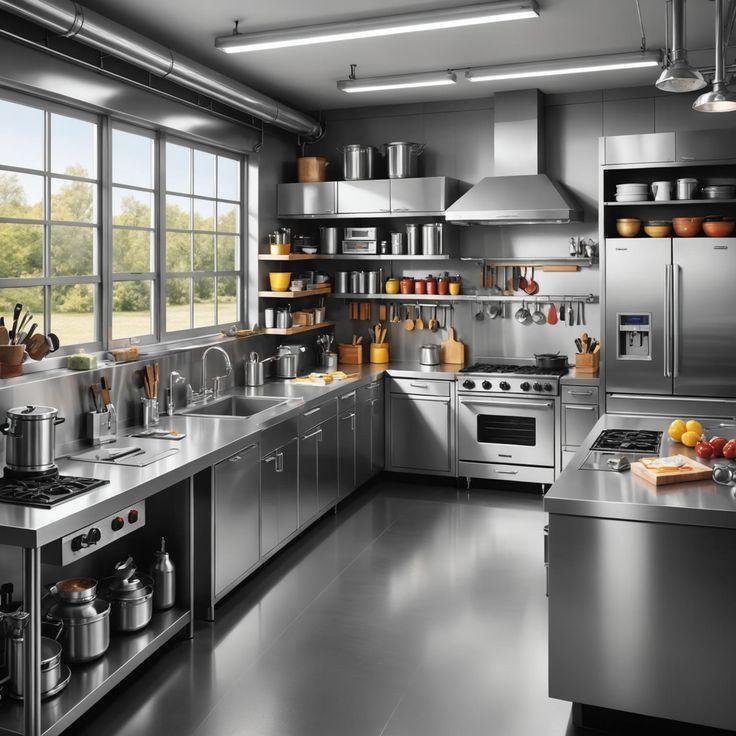
Commercial Restaurant and Kitchen Equipment Guide
Planning a commercial kitchen layout is one of the foundational pillars for the success of any restaurant or cafe. Selecting the right tools directly contributes to speeding up preparation time, reducing food waste, and ensuring food safety according to industry standards.
Essentials of Choosing Modern Commercial Kitchen Equipment
The purchasing process requires a careful study of space availability and the type of dishes offered before making buying decisions. Investing in high-grade materials saves significant maintenance costs in the future.
Determining Capacity and Production Volume
Calculating the expected number of daily meals helps build a balanced equipment purchasing strategy. Equipment output capacity acts as the primary factor in sizing ovens and heavy-duty appliances.
Traffic Flow and Workflow Efficiency
Arranging equipment to ensure workers' paths do not cross reduces accidents and boosts kitchen staff productivity during peak hours.
Essential Types of Commercial Restaurant Equipment
While machines vary across food production lines, essential categories remain necessary for every commercial cooking environment.
Thermal Cooking Lines
This includes combination ovens, deep fryers, and commercial grills powered by heavy-duty gas or electrical systems.
Commercial Refrigeration and Freezing
This category features blast chillers, walk-in cold rooms, and reach-in refrigerators to protect raw food items from spoilage.
Advantages of Stainless Steel Cooking Equipment in Professional Kitchens
Stainless steel is the globally approved standard material for food equipment manufacturing due to several core benefits.
Bacteria Resistance and Easy Sanitization
The non-porous, smooth surface of stainless steel prevents oil and liquid absorption, making cleaning and sanitization quick and effective.
Thermal Resistance and Durability
This equipment easily withstands extreme heat and continuous daily usage without rusting or deteriorating over time.
Comparison of Commercial Equipment Materials
| Criteria | Stainless Steel Equipment (AISI 304) | Regular Metals & Iron |
|---|---|---|
| Rust & Corrosion Resistance | Excellent protection against liquids | Poor; requires special treatments |
| Ease of Cleaning & Sanitization | Highly efficient with minimal effort | Requires specialized anti-rust care |
| Food Safety Compliance | Fully certified by food safety authorities | Not recommended for direct food contact |
| Lifespan & Durability | Long-lasting over many years of service | Short; requires frequent repair and replacement |
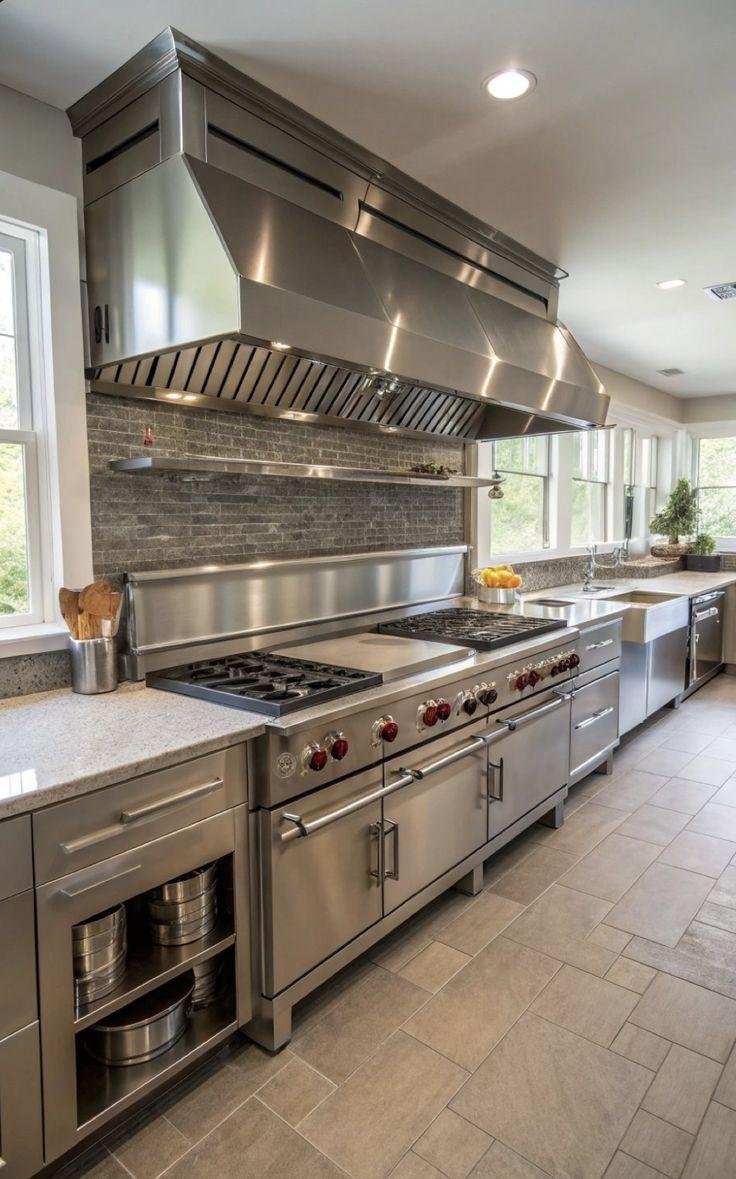
Space Planning and Cooking Line Layout Steps
A well-thought-out space arrangement ensures maximum utilization of every square meter inside the commercial kitchen.
Prep and Wash Station
Dedicate a separate zone for vegetable and raw ingredient prep away from plating stations to avoid cross-contamination.
Hot Cooking Station
Group ovens, fryers, and boiling kettles along a single line beneath exhaust hood systems to maintain proper ventilation.
Preventive Maintenance Tips for Kitchen Equipment
Preserving equipment quality primarily depends on correct operational habits and regular scheduled maintenance programs.
Daily Cleaning: Remove grease and food residue immediately after shifts.
Routine Inspection: Check electrical connections and gas lines for safety compliance.
Descaling: Clean water lines and heat-exposed equipment regularly to prevent limescale buildup.