

Posted At: Sep 10, 2026 - 64 Views
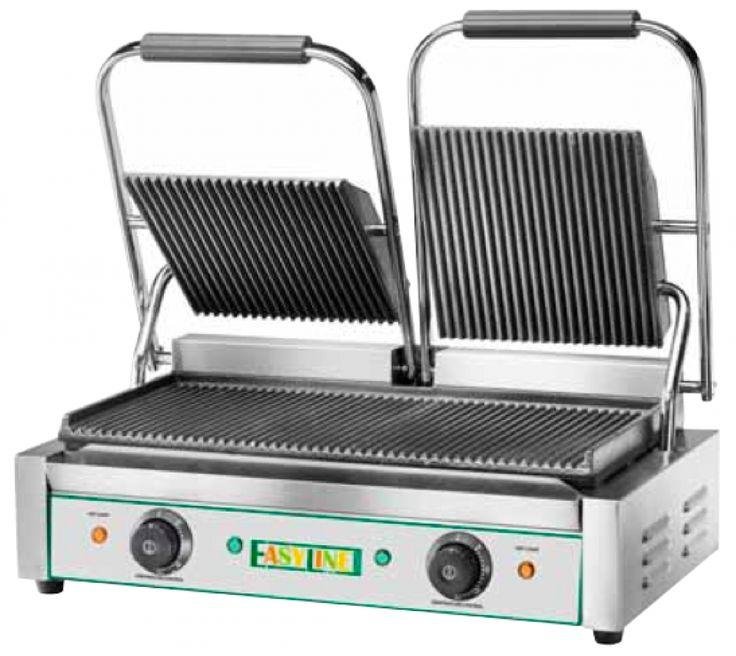
Commercial Panini Presses & Contact Grills Selection Criteria
Commercial panini presses and contact grills are compact, high-yield prep stations essential for cafes, delis, and QSR concepts. Designed to sear and toast bread crusts while melting interior cheeses simultaneously through dual-plate conductive heating, these units minimize sandwich preparation times.
Technical Features of Commercial Contact Grills
Plate thermal mass and hinge counterbalancing govern toast uniformity and surface searing.
Self-Balancing Floating Hinge Assemblies
Professional contact grills feature heavy-duty floating hinges that adapt automatically to sandwich thickness. This ensures parallel pressure distribution without crushing delicate breads or extruding interior fillings.
Cast Iron vs Glass-Ceramic Heat Plates
Heavy cast-iron plates offer superior thermal retention and continuous heat transfer for high-volume lines. Smooth or grooved glass-ceramic surfaces heat up rapidly, consume less standby energy, and prevent flavor absorption.
Comparison: Grooved Plates vs Smooth Plates
| Feature / Criteria | Grooved Contact Plates | Smooth Flat Contact Plates |
|---|---|---|
| Visual Appearance | Imparts appetizing grill lines on bread surfaces | Delivers a uniform, golden-brown toasted surface |
| Heat Conductive Contact | Concentrates thermal energy along raised ribs | Provides 100% surface-to-product thermal contact |
| Sanitation Dynamics | Requires specialized wire grooved brushes | Easily wiped down with high-temp scrapers |
| Best Application | Paninis, focaccia, ciabatta, and wraps | Quesadillas, grilled cheese, bacon, and eggs |
Selection Criteria and Panini Press Maintenance
Daily hot-plate scraping prevents carbonized oil transfer to food items.
Dual-Zone Independent Thermostats
Select split-plate double models with independent heat controls. This allows operators to shut down one side during off-peak hours to reduce energy consumption.
Thermal Plate Scrubbing & De-carbonization
Scrape off melted cheese and oils after each rush using high-heat brass wire brushes while the plates remain warm. Never pour cold water directly onto hot cast iron to prevent thermal shock fractures.