

Posted At: Aug 29, 2026 - 34 Views
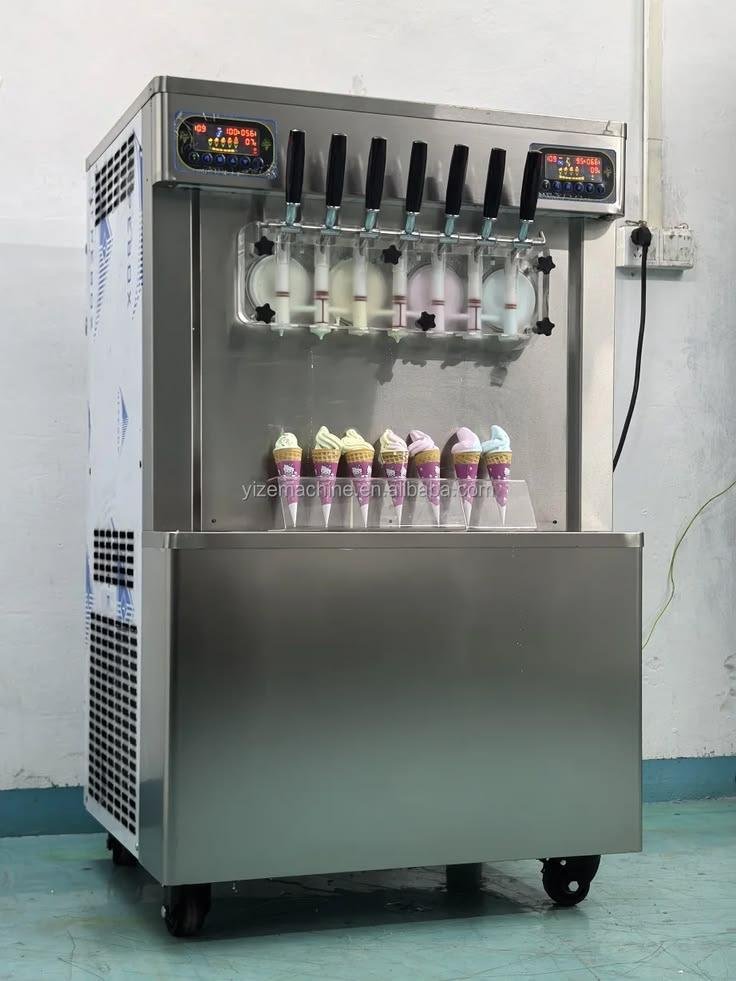
Commercial Ice Cream & Soft Serve Machines Buying Guide
Commercial ice cream machines generate exceptional profit margins for dessert parlors, cafes, and amusement parks. Whether dispensing airy soft-serve cones or crafting custom rolled ice cream on sub-zero pans, selecting the right cooling capacity and feed mechanism ensures smooth product texture and operational efficiency.
Technical Features of Commercial Ice Cream Machines
Overrun ratios and flash-freezing technology dictate product volume and texture.
Pressurized Air Pump Systems
Pressurized air pumps inject precise ratios of air into the liquid mix (overrun). Increasing overrun up to 80% yields a fluffier product, improves mouthfeel, and significantly reduces raw ingredient cost per serving.
Flash-Freezing Pan Surface
Rolled ice cream units feature stainless steel freezing plates that plunge to -30°C rapidly, allowing operators to freeze liquid bases and fresh mix-ins into rolled cylinders live in front of customers.
Comparison: Soft Serve Dispensers vs Rolled Ice Cream Pans
| Feature / Criteria | Soft Serve Dispensers | Rolled Ice Cream Flat Pans |
|---|---|---|
| Dispensing Style | Lever-drawn continuous flow into cones/cups | Hand-scraped rolls using flat spatulas |
| Service Speed | Ultra-fast (Seconds per serving) | Artisanal prep (2 to 3 minutes per order) |
| Customization | Pre-mixed flavors in hoppers | Fresh mix-ins (cookies, fruits) chopped live on pan |
| Best Application | Fast food counters, kiosks, high-traffic venues | Specialty dessert boutiques, interactive cafes |
Selection Criteria and Ice Cream Machine Maintenance
Refrigerated mix hoppers and daily sanitization cycles comply with dairy health standards.
Refrigerated Hoppers with Standby Mode
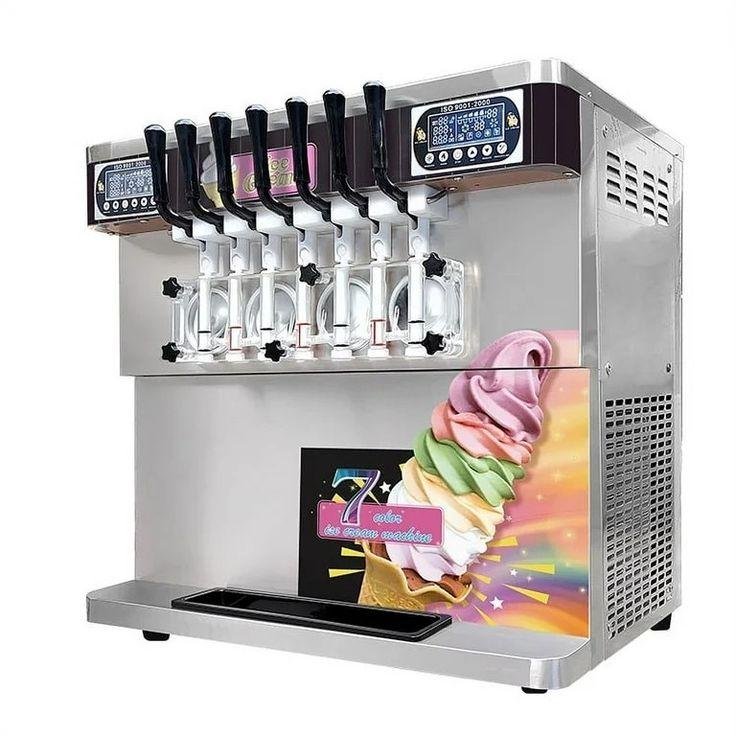
Select machines with independent hopper refrigeration that keeps liquid dairy mix chilled below 4°C during non-operating hours, preserving freshness without daily draining.
Sanitization and O-Ring Care
Run automatic wash cycles with food-safe sanitizers regularly. Lubricate and replace food-grade rubber O-rings periodically to maintain pump pressure and prevent leaks.