

Posted At: Nov 14, 2026 - 29 Views

Kitchen Equipment Care: The Comprehensive Guide to Extending the Lifespan of Your Commercial Appliances and Reducing Costs
Commercial kitchen equipment in restaurants, cafés, and hotels forms the vital core of any successful business. These are your most valuable capital assets, upon which operational efficiency, food preparation speed, and service quality entirely depend. Yet, many project owners treat these appliances with a reactive mindset—fixing problems only after a disaster strikes—leading to costly sudden breakdowns and complete production halts during peak rush hours. Protecting your kitchen equipment goes beyond merely repairing it when broken; it relies on an integrated system of correct operation, preventive cleaning, and regular scheduled maintenance. In this comprehensive guide, we explore integrated engineering and practical strategies to protect your kitchen equipment, lower energy bills, and ensure uninterrupted operations at peak efficiency.
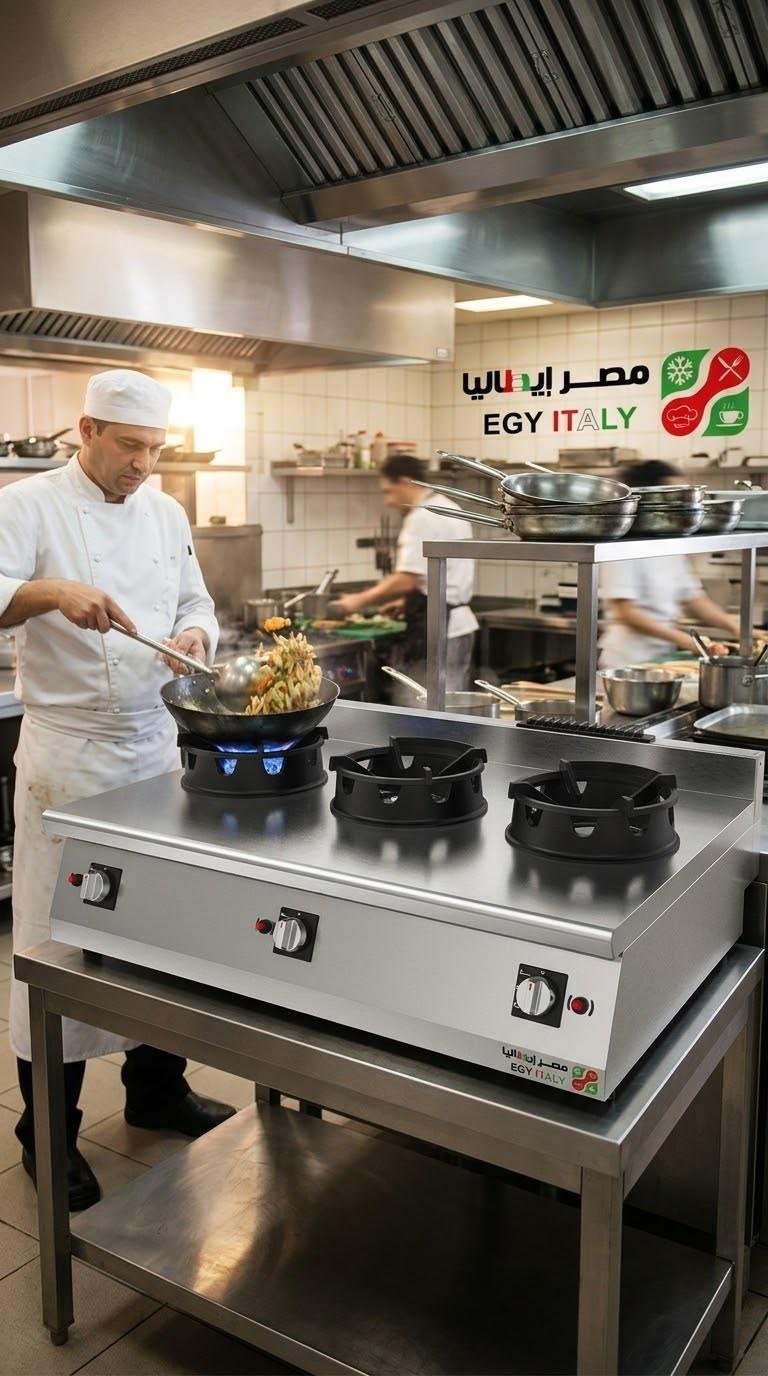
First: The Strategic Importance of Protecting Commercial Kitchen Equipment
Investing in modern, high-quality kitchen appliances (such as smart ovens, refrigerators, deep fryers, and mixers) accounts for a massive share of startup budgets. Therefore, protecting these assets yields direct financial and operational benefits for your business:
Extending Equipment Lifespan: Equipment that is regularly cleaned and maintained operates efficiently for years, far outlasting neglected appliances.
Zero Downtime: Avoiding operational catastrophes—such as a primary oven or refrigerator breaking down on a packed night—preserves your restaurant's reputation and prevents revenue loss.
Lowering Energy Bills: Dirty appliances, or those struggling with grease accumulation and worn parts, consume significantly more electricity or gas to reach target temperatures.
Compliance with HACCP Standards: Maintaining clean equipment and precise refrigeration/cooking temperatures safeguards food products from contamination and ensures consumer safety.
Second: Hidden Risks Threatening Kitchen Equipment and How to Avoid Them
Before building a protection plan, you must recognize the hidden enemies of commercial kitchen appliances, which boil down to a few core factors:
1. Accumulated Grease and Airborne Fats
In hot kitchen environments, oil and fat particles vaporize and settle on motor housings, cooling coils, gas burners, and hood filters. This greasy layer acts as a thermal insulator, forcing appliances to work twice as hard, while posing a severe fire hazard.
2. Limescale Deposits
Using hard water (rich in minerals) in smart ovens, ice makers, coffee machines, and dishwashers causes thick limescale layers to form on heating elements and internal valves, resulting in heater burnout and reduced water flow.
3. Electrical Voltage Fluctuations
Sudden power grid surges or unexpected power cuts and returns are the leading causes of damage to sensitive digital control boards in modern appliances, as well as compressor burnouts in refrigeration units.
Third: Daily and Weekly Protection Plans by Appliance Category
Protecting your equipment requires a strict operational routine executed consistently by the kitchen team:
1. Refrigeration Equipment (Refrigerators and Cold Rooms)
Daily Care: Wipe interior and exterior surfaces with specialized sanitizers, and ensure doors are tightly sealed and not left open for prolonged periods.
Weekly Inspection: Check the integrity of door gaskets and clean them with warm water and soap to prevent cold air leaks.
Monthly Care: Clean refrigerator condenser coils (radiators) using compressed air to remove trapped dust and grease, preventing compressor overheating and burnout.
2. Cooking Equipment (Ovens, Griddles, and Deep Fryers)
Daily Care: Scrape and clean griddle and grill surfaces while warm, filter and strain deep fryer oil daily to extend oil life and maintain food quality, and wipe interior oven cavities.
Weekly Care: Perform chemical boil-out cycles on deep fryers, and remove/soak burner heads to clear clogged gas ports from food debris.
Monthly Care: Inspect water filters connected to steam ovens and replace cartridges regularly to prevent limescale buildup.
3. Preparation and Washing Equipment (Mixers and Dishwashers)
Daily Care: Empty and clean lower dishwasher filters and rinse spray arms free of food residue.
Periodic Care (Every 3 Months): Lubricate gears and moving parts in dough mixers and meat grinders using approved food-grade grease, and run a descaling cycle on the dishwasher.
Fourth: Golden Rules for Cleaning Chemicals and Surface Protection
Some staff members make catastrophic mistakes while cleaning equipment that lead to premature damage. Key protection rules include:
Avoiding Chlorine and Abrasives: Using concentrated chlorine or harsh steel wool on Grade 304 stainless steel surfaces strips away the protective passivation layer, causing rust and corrosion. Always use a soft sponge and cleaners formulated for commercial stainless steel, wiping along the direction of the metal grain.
Preventing Water Ingress on Electronic Panels: When washing kitchen floors or cleaning equipment, strictly avoid directing water hoses toward digital displays, electrical switches, or motor ventilation vents.
Using Voltage Stabilizers: Protect sensitive electronic appliances by installing a centralized voltage stabilizer to shield the entire kitchen from electrical fluctuation shocks.
Fifth: Quick Preventive Maintenance Schedule
Conclusion
Protecting your kitchen equipment is not merely a routine chore to extend appliance life; it is a strategic pillar ensuring your business continuity, safeguarding your capital from waste, and delivering top-tier food quality to your guests without interruption. By committing to daily maintenance, proper preventive cleaning, and partnering with specialists at the right time, you will guarantee a safe, stable kitchen and maximize your return on investment.
SEO Meta Description (English - 156 characters):
Discover the ultimate guide to protecting your commercial kitchen equipment from sudden breakdowns, preventive cleaning secrets, and reducing energy waste.
Kitchen Equipment Care: The Comprehensive Guide to Extending the Lifespan of Your Commercial Appliances and Reducing Costs
Commercial kitchen equipment in restaurants, cafés, and hotels forms the vital core of any successful business. These are your most valuable capital assets, upon which operational efficiency, food preparation speed, and service quality entirely depend. Yet, many project owners treat these appliances with a reactive mindset—fixing problems only after a disaster strikes—leading to costly sudden breakdowns and complete production halts during peak rush hours. Protecting your kitchen equipment goes beyond merely repairing it when broken; it relies on an integrated system of correct operation, preventive cleaning, and regular scheduled maintenance. In this comprehensive guide, we explore integrated engineering and practical strategies to protect your kitchen equipment, lower energy bills, and ensure uninterrupted operations at peak efficiency.
First: The Strategic Importance of Protecting Commercial Kitchen Equipment
Investing in modern, high-quality kitchen appliances (such as smart ovens, refrigerators, deep fryers, and mixers) accounts for a massive share of startup budgets. Therefore, protecting these assets yields direct financial and operational benefits for your business:
Extending Equipment Lifespan: Equipment that is regularly cleaned and maintained operates efficiently for years, far outlasting neglected appliances.
Zero Downtime: Avoiding operational catastrophes—such as a primary oven or refrigerator breaking down on a packed night—preserves your restaurant's reputation and prevents revenue loss.
Lowering Energy Bills: Dirty appliances, or those struggling with grease accumulation and worn parts, consume significantly more electricity or gas to reach target temperatures.
Compliance with HACCP Standards: Maintaining clean equipment and precise refrigeration/cooking temperatures safeguards food products from contamination and ensures consumer safety.
Second: Hidden Risks Threatening Kitchen Equipment and How to Avoid Them
Before building a protection plan, you must recognize the hidden enemies of commercial kitchen appliances, which boil down to a few core factors:
1. Accumulated Grease and Airborne Fats
In hot kitchen environments, oil and fat particles vaporize and settle on motor housings, cooling coils, gas burners, and hood filters. This greasy layer acts as a thermal insulator, forcing appliances to work twice as hard, while posing a severe fire hazard.
2. Limescale Deposits
Using hard water (rich in minerals) in smart ovens, ice makers, coffee machines, and dishwashers causes thick limescale layers to form on heating elements and internal valves, resulting in heater burnout and reduced water flow.
3. Electrical Voltage Fluctuations
Sudden power grid surges or unexpected power cuts and returns are the leading causes of damage to sensitive digital control boards in modern appliances, as well as compressor burnouts in refrigeration units.
Third: Daily and Weekly Protection Plans by Appliance Category
Protecting your equipment requires a strict operational routine executed consistently by the kitchen team:
1. Refrigeration Equipment (Refrigerators and Cold Rooms)
Daily Care: Wipe interior and exterior surfaces with specialized sanitizers, and ensure doors are tightly sealed and not left open for prolonged periods.
Weekly Inspection: Check the integrity of door gaskets and clean them with warm water and soap to prevent cold air leaks.
Monthly Care: Clean refrigerator condenser coils (radiators) using compressed air to remove trapped dust and grease, preventing compressor overheating and burnout.
2. Cooking Equipment (Ovens, Griddles, and Deep Fryers)
Daily Care: Scrape and clean griddle and grill surfaces while warm, filter and strain deep fryer oil daily to extend oil life and maintain food quality, and wipe interior oven cavities.
Weekly Care: Perform chemical boil-out cycles on deep fryers, and remove/soak burner heads to clear clogged gas ports from food debris.
Monthly Care: Inspect water filters connected to steam ovens and replace cartridges regularly to prevent limescale buildup.
3. Preparation and Washing Equipment (Mixers and Dishwashers)
Daily Care: Empty and clean lower dishwasher filters and rinse spray arms free of food residue.
Periodic Care (Every 3 Months): Lubricate gears and moving parts in dough mixers and meat grinders using approved food-grade grease, and run a descaling cycle on the dishwasher.
Fourth: Golden Rules for Cleaning Chemicals and Surface Protection
Some staff members make catastrophic mistakes while cleaning equipment that lead to premature damage. Key protection rules include:
Avoiding Chlorine and Abrasives: Using concentrated chlorine or harsh steel wool on Grade 304 stainless steel surfaces strips away the protective passivation layer, causing rust and corrosion. Always use a soft sponge and cleaners formulated for commercial stainless steel, wiping along the direction of the metal grain.
Preventing Water Ingress on Electronic Panels: When washing kitchen floors or cleaning equipment, strictly avoid directing water hoses toward digital displays, electrical switches, or motor ventilation vents.
Using Voltage Stabilizers: Protect sensitive electronic appliances by installing a centralized voltage stabilizer to shield the entire kitchen from electrical fluctuation shocks.
Fifth: Quick Preventive Maintenance Schedule
Conclusion
Protecting your kitchen equipment is not merely a routine chore to extend appliance life; it is a strategic pillar ensuring your business continuity, safeguarding your capital from waste, and delivering top-tier food quality to your guests without interruption. By committing to daily maintenance, proper preventive cleaning, and partnering with specialists at the right time, you will guarantee a safe, stable kitchen and maximize your return on investment.
\