

Posted At: Nov 14, 2026 - 59 Views

How to Protect Your Restaurant Kitchen Equipment from Sudden Breakdowns: The Comprehensive Preventive Maintenance Schedule
Commercial kitchen equipment is the core engine of any successful restaurant, café, or hotel. It represents the capital assets that your culinary team relies on to produce meals with consistent quality and rapid speed during peak rush hours. However, many restaurant owners fall into a common and costly trap: dealing with equipment through "reactive maintenance"—waiting until a machine breaks down completely before calling a technician. When a smart oven, a refrigeration unit, or a deep fryer fails on a busy night filled with customers, it doesn't just mean a hefty repair bill; it means a halted production line, lost revenue, spoiled food, and a damaged reputation among your patrons. Implementing a "Preventive Maintenance" program is the true safeguard for extending equipment lifespan, lowering utility bills, and preventing unexpected breakdowns by over 80%. In this comprehensive guide, we provide a complete, practical framework and periodic maintenance schedule (daily, weekly, monthly, and semi-annual) to keep all your kitchen equipment running at peak operational efficiency.
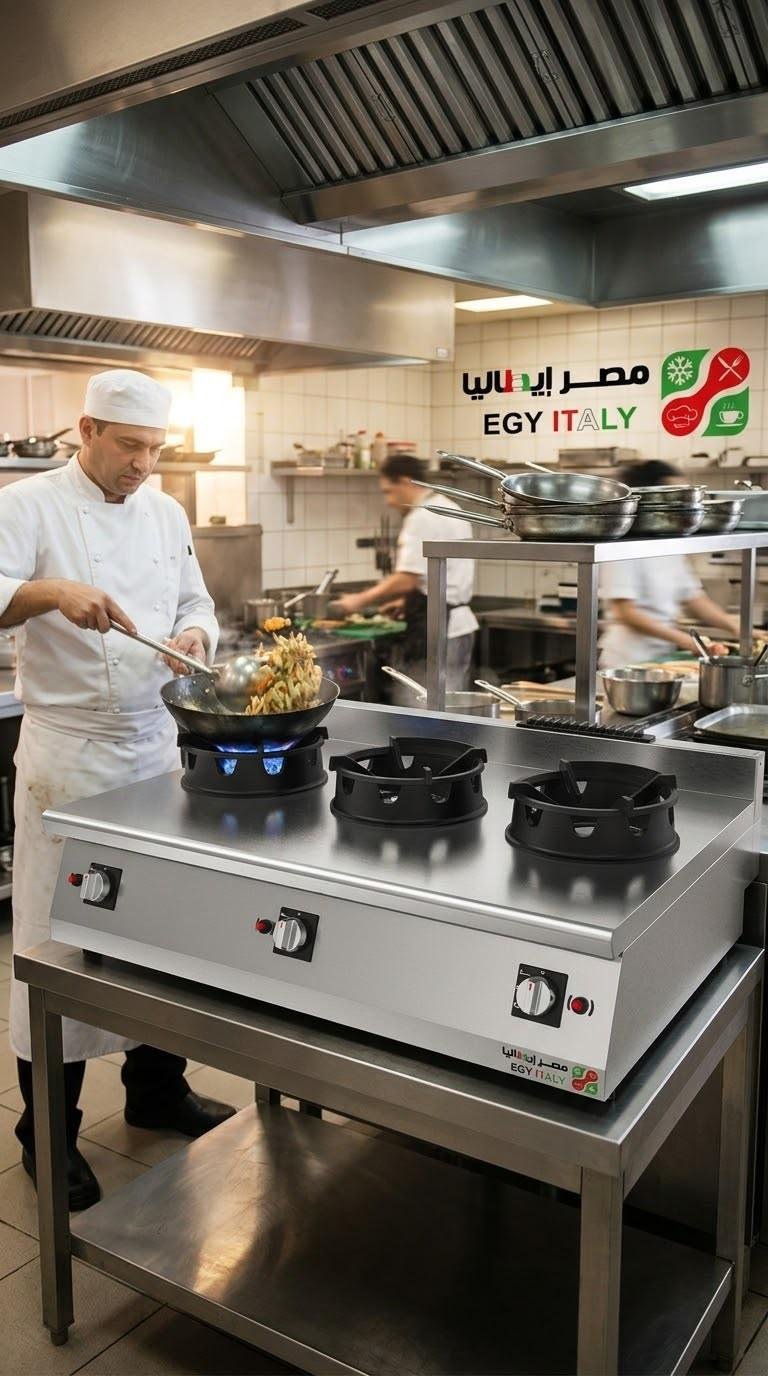
Reactive vs. Preventive Maintenance in Commercial Kitchens
Before diving into inspection and cleaning steps, a culture of preventive maintenance must be instilled in both kitchen staff and management:
Reactive Maintenance: Intervention after a breakdown has already occurred, usually happening at the worst possible time (during peak rush hours). It is characterized by high costs due to urgent parts replacement and indirect losses from operational downtime.
Preventive Maintenance: A schedule of routine procedures including deep cleaning, lubrication, calibration, and replacement of wearable parts (like gaskets and filters) before failure occurs. It ensures lower costs, stable equipment performance, and compliance with HACCP health and safety standards.
Care and Maintenance Guidelines by Equipment Category in Commercial Kitchens
Each category of commercial kitchen equipment requires specific cleaning and inspection routines due to differences in working environments, such as high heat, refrigeration, and mechanical stress:
1. Refrigeration Equipment (Refrigerators, Freezers, and Walk-in Cold Rooms)
Refrigeration units operate 24/7, making them the most vulnerable to thermal stress if maintenance is neglected:
Cleaning Condenser Coils: Airborne kitchen grease and dust accumulating on condenser fins block heat exchange, forcing the compressor to run continuously until it burns out. Clean condenser coils with a soft brush and compressed air at least once a month.
Inspecting Door Gaskets: Torn or stiff rubber gaskets allow warm air to leak into the refrigerator, raising internal temperatures and driving up energy consumption. Inspect gaskets weekly, clean them with warm water and mild soap, and replace them immediately if cracks appear.
Clearing Defrost Drain Lines: A clogged internal drain line leads to water pooling inside the unit or leaking onto the kitchen floor, creating slip hazards and rusting the metal structure.
Monitoring Temperatures: Log thermostat readings twice daily to ensure refrigerator temperatures stay between 1°C and 4°C, and freezers remain at -18°C.
2. Cooking Equipment (Ovens, Ranges, Griddles, and Deep Fryers)
Cooking equipment undergoes extreme temperatures and continuous grease buildup, posing a direct threat to thermal efficiency and fire safety:
Cleaning Burners and Nozzles: Gas burner ports clogged with food residue and grease cause uneven yellow flames, reducing heating efficiency and raising gas consumption. Burners should be removed, soaked, and cleaned weekly.
Smart and Convection Ovens: Commit to daily self-cleaning cycles using manufacturer-approved detergents, and regularly inspect the water filter connected to the oven to prevent limescale buildup on heating elements and steam generators.
Deep Fryers: Filter oil daily and perform a chemical boil-out weekly to remove carbon buildup around heating tubes or elements, while calibrating thermostats to ensure oil temperatures never exceed safe limits.
Griddles and Grills: Scrape surfaces daily while still warm (not scorching hot to prevent warping the steel plate), and empty/clean the grease collection drawer at the end of every shift.
3. Preparation and Washing Equipment (Mixers, Slicers, and Dishwashers)
Commercial Dishwashers: Clean spray arms and lower debris filters daily, and run a monthly descaling cycle to guarantee powerful water pressure and optimal sanitization.
Mechanical Prep Equipment: Lubricate moving parts and gears in dough mixers and meat grinders using food-grade grease every 3 to 6 months, inspect slicer blade sharpness, and replace worn transmission belts.
4. Ventilation and Extraction Systems (Hoods and Exhaust Ducts)
Neglecting hood and exhaust system maintenance is the leading cause of commercial kitchen fires:
Washing Baffle Filters: Metal grease filters must be removed and washed in hot water with degreasers weekly (or twice weekly in high-volume kitchens).
Cleaning Ductwork and Exhaust Fans: Hire a professional ventilation contractor every 3 to 6 months to clean interior exhaust ducts and inspect fan motors and belts.
The Comprehensive Periodic Kitchen Equipment Maintenance Schedule
To ensure this maintenance plan is executed seamlessly without missing a beat, print the following schedule and distribute it to kitchen supervisors and maintenance staff:
Golden Rules for Chemical Use and Stainless Steel Protection
Many workers make the mistake of using harsh chemicals that ruin equipment during cleaning. Keep these rules in mind:
Avoid Chlorine and Abrasives on Stainless Steel: Using concentrated chlorine or steel wool strips away the protective passivation layer of Grade 304 stainless steel, causing rust spots and corrosion. Always use a soft sponge and cleaners formulated for stainless steel, wiping along the grain of the metal.
Never Spray Water Directly on Control Panels: When washing kitchen floors or equipment, avoid directing water hoses toward digital displays, electrical switches, or refrigeration motors to prevent short circuits.
Use Voltage Stabilizers: Electrical voltage fluctuations are the invisible enemy of electronic circuit boards in smart ovens and refrigeration compressors. Installing a centralized voltage stabilizer for the kitchen is an essential investment to protect equipment.
How to Choose a Certified Maintenance Company for Your Restaurant
Even with daily and weekly cleaning, having a periodic maintenance contract with a commercial kitchen and refrigeration specialist is indispensable. When contracting a maintenance provider, verify the following criteria:
Emergency Response Time: The company must commit to dispatching a technician within a few hours if a core piece of equipment fails during operating hours.
Availability of Original Spare Parts: Relying on authentic spare parts matching factory specifications ensures that breakdowns are not repeated and maintains optimal energy efficiency.
Equipment Maintenance Log: Company engineers should document every inspection or parts replacement in an individual file for each appliance, helping you make informed upgrade or replacement decisions down the road.
Conclusion
Protecting your restaurant kitchen equipment from unexpected breakdowns does not require massive budgets; rather, it demands daily discipline and rigorous adherence to a preventive maintenance schedule. By training your staff on proper cleaning procedures, constantly monitoring refrigerator and oven performance, and partnering with a professional engineering service provider, you will ensure continuous kitchen operations at peak efficiency, protect your investments from waste, and deliver an exceptional, uninterrupted dining experience to your guests.
SEO Meta Description (English - 156 characters):
Discover how to protect your restaurant kitchen equipment from sudden breakdowns with a complete daily, weekly, and monthly preventive maintenance schedule.